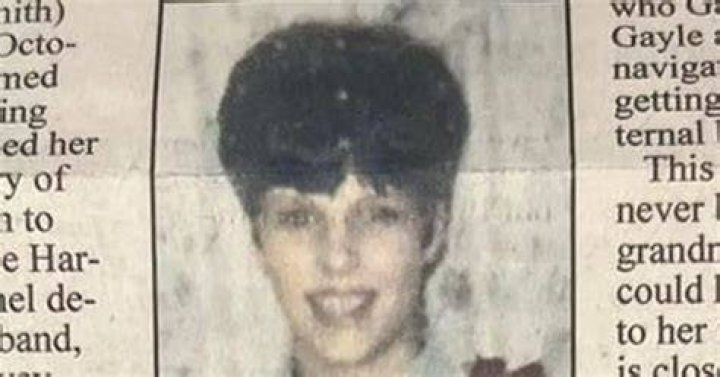


News: Gayle Harvey Heckman’s unconventional obituary for her mother, Linda Lernal Harvey Cullum Smith Stull, has ignited a crucial dialogue about familial abuse and generational trauma.
With courage, Heckman openly recounted the various forms of abuse—physical, mental, emotional, verbal, and financial—that she faced from her own family.
This bold and unprecedented act of public disclosure not only empowered Heckman to take control of her own story but also brought attention to the frequently silenced problem of familial abuse in our society.
Mixed Reactions and the Struggle for Freedom of Expression
The public’s reaction to Heckman’s choice to reveal her painful experiences in her mother’s obituary was a combination of shock, disbelief, and backlash.
The Three Rivers print edition, along with its subsequent removal from news websites, served as a reflection of society’s unease in facing uncomfortable truths.
The media’s challenge in navigating the delicate balance between sensitive content and the freedom of expression underscores the intricate dynamics inherent in sharing profoundly personal stories.
Publisher Mike Wilcox’s decision to retract the obituary, citing an oversight, further illustrates the ongoing tension between conventional mourning narratives and the harsh realities that some individuals leave behind.
The Healing Potential of Honesty and Forgiveness
Despite the initial public outrage, Heckman discovered comfort in connecting with individuals who had undergone similar abuse.
The communal exchange of stories highlighted the therapeutic impact of candor and the transformative force of forgiveness.
Heckman stresses that forgiveness doesn’t equate to exonerating others but rather freeing oneself from anger and resentment—an essential stride for those striving to regain control of their lives after experiencing trauma.
Redefining Grief and Remembrance
Heckman’s courageous method of commemorating her mother challenges societal conventions regarding grief and remembrance.
Through openly addressing the abuse and trauma she faced, Heckman advocates for a more nuanced comprehension of human relationships.
This calls for a crucial reassessment of how we memorialize the departed, proposing that honesty can harmonize with respect in the realms of grief and remembrance.
It encourages us to foster more compassionate relationships moving forward by recognizing the pain and trauma that may exist within families.
A Plea for Change and Healing
In the journey ahead, Heckman’s narrative stands as a fervent plea against generational trauma, urging for candid discussions about abuse, forgiveness, and the healing process.
Her example provides valuable lessons in acknowledging the unspoken challenges within families, responding with empathy, understanding, and a sincere commitment to instigate positive change.
This approach can contribute to the creation of an atmosphere that nurtures healing, reconciliation, and, ultimately, a more just world.
Gayle Harvey Heckman’s impactful obituary for her mother serves as a poignant reminder of the hardships endured by many individuals.
By challenging conventional norms in mourning and memorialization, Heckman inspires us to confront past abuses and construct healthier and more compassionate relationships.
Her personal and public disclosure prompts contemplation on generational trauma, advocating for an environment where empathy and understanding lay the foundation for healing and reconciliation.
FAQs
Q: What motivated Gayle Harvey Heckman to include her painful experiences in her mother’s obituary?
A: Gayle Harvey Heckman decided to incorporate her painful experiences into her mother’s obituary as a way to take control of her story and bring attention to the pervasive issue of familial abuse in society.
Q: How did the public respond to the unique obituary penned by Gayle Harvey Heckman?
A: The unconventional obituary written by Gayle Harvey Heckman garnered a response from the public that ranged from shock and disbelief to outright criticism.
Q: In what way does Gayle Harvey Heckman promote healing and reconciliation?
A: Gayle Harvey Heckman promotes healing and reconciliation by advocating for open discussions about abuse, fostering forgiveness, and addressing the hidden struggles within families.